When the going gets tough : stop breathing
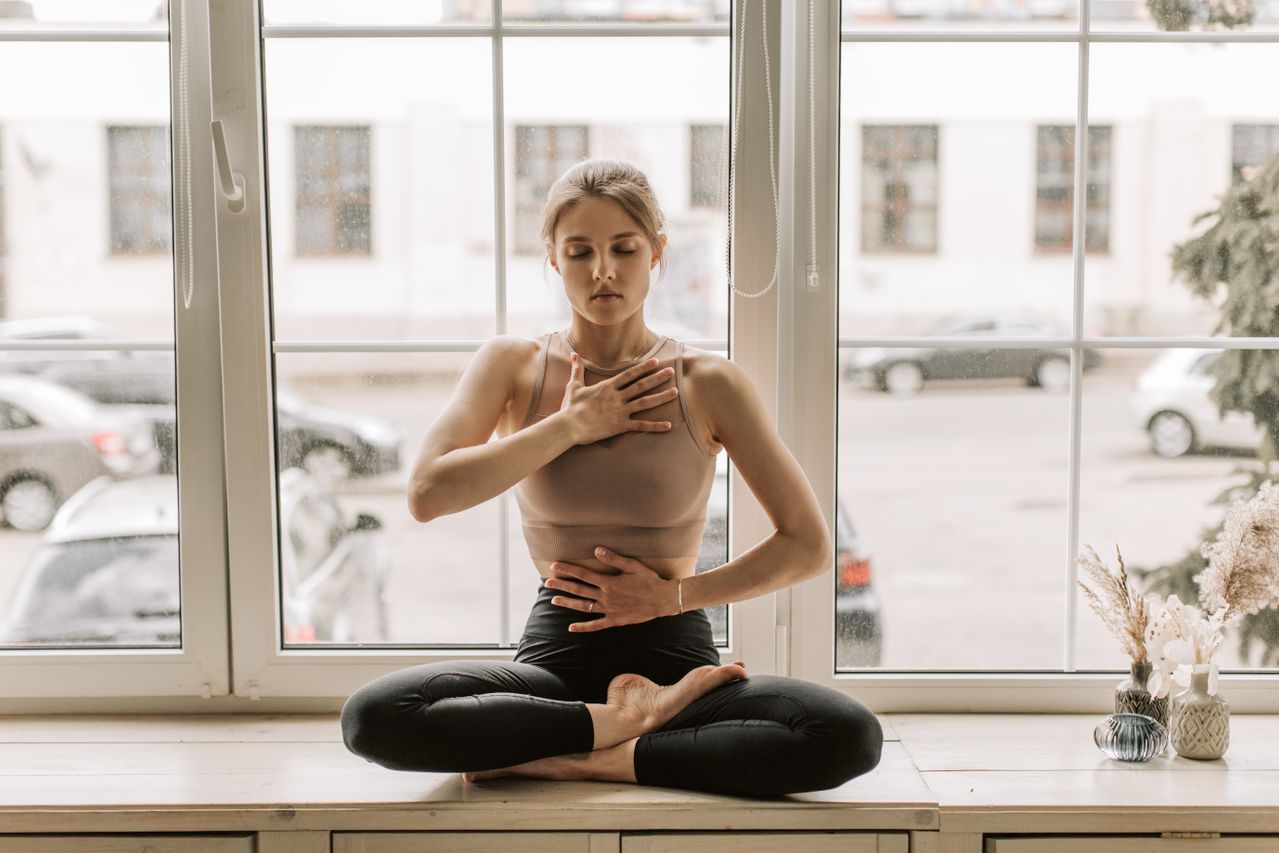
We have this fixed idea that we need to breath to live. Well breath is a very powerful medecine and we use it in different ways in Vedic Medical science. One aspect of breathing is the retention thereof.
As such we have a name for it in Pranayama (the Vedic Science of breath) we call it KUMBHAKA.
Benefits of Kumbhaka Pranayama
1. Kumbhaka Pranayama strengthens the diaphragm while you hold the breath deeply.
2. Due to deep inhalation, it is beneficial at increasing lung capacity.
3. The Pranayama purifies the entire respiratory system, and it also cleanses the residual air or dead space air and alveolar air.
4. In the brain, the Pranayama activates the respiratory center. The increase in the retention of carbon dioxide triggers the brain for better oxygen interchange and retention.
5. The Pranayama increases oxygen retention and the amount of oxygen in the blood. It thus improves health, and the concentration enhances. When in retention, your body is yearning to take a breath; your body focuses on that which helps in strengthening the attention.
6. It also helps the body relieves anxiety and stress and clears thoughts as well as enhances memory power.
7. Pranayama also helps reduce strain on the circulatory system of the body.
8. It settles the mind and the body and keeps the mind grounded, preparing it for meditation. Thus, it is an ideal pre-meditation Pranayama.
9. Pranayama is also known to relieve complications like acidity, blockage, allergies, gastric problems, constipation, asthma, and reproductive organ problems.
How do we practice Kumbaka ?
Antara and Bahya are the two types of Kumbhaka Pranayama.
> INHALE and pause is Antara (a Sanskrit word which means interior)
> EXHALE and pause is Bahya (means outer).
stage 1 : Kumbhaka Pranayam is practiced in a ratio of 1-1-2. So whatever you are inhaling, you hold your breath for the same amount and exhale the double amount of it.
stage 2 : you become comfortable, and the ratio becomes 1-2-2,
stage 3 : then 1-3-2 (inhale for 5 counts, retain for 15 counts and exhale for 10 counts)
stage 4 : and final step 1-4-2 (you inhale for 10, hold for 40 and exhale for 20).
MANTRA HUMEE HUM BRAHM HUM
Hum Hi Hum Brahm Hum or Humee Hum Brahm Hum is used to bring our consciousness our Heart Center.
'Hum hi Hum' or Humee Hum - We are us.
Brahm Hum - This whole universe is us
Hum Hi Hum are the parts, Brahm Hum is the Whole.
Its a mantra of interconnectedness of / with entire universe.
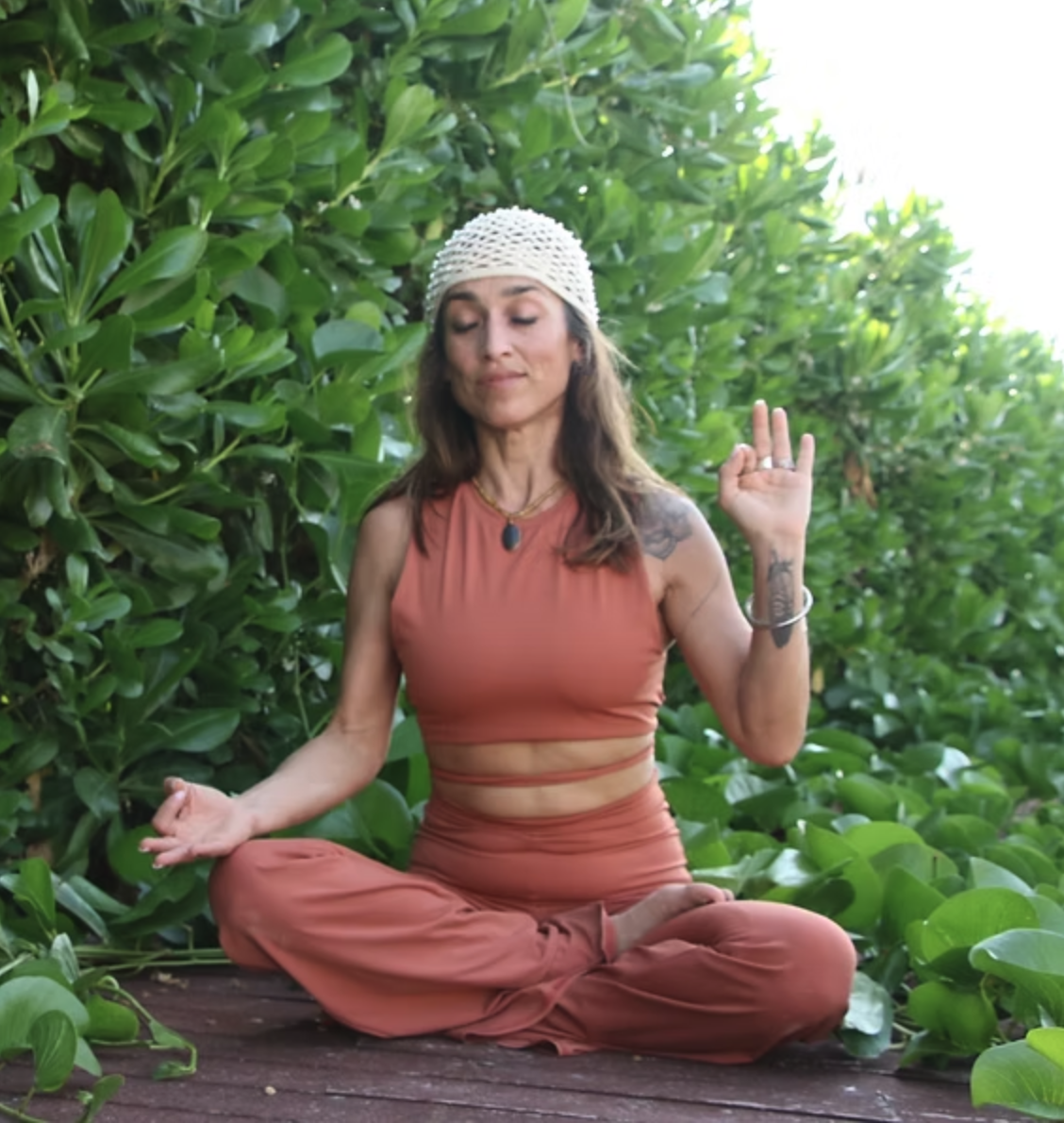
The Mudra (hand position): hands over your face in sign of humility
Time : you chant 11 min - 21 min - 31 min or if you want you can sing this mantra in the vedic tradition of chanting 108 times.
1 - one universal creator
0 - no shape, no size, no fear, no hatred
8 - The one who is infinite
here is the longer version
https://www.youtube.com/watch?v=Za0vxzPoQ24&t=1229s .
There is a 21 and 40 days Program.
Join us on this transformation journey - transpersonal therapy tool - with Vedic Science tools such as Kundalini Yoga and Pranayama.
if you feel the call, you can book your spot here.
SAT NAM
À propos de l'auteur
L'Académie Savitri est un havre de paix pour celles et ceux qui aspirent à une transformation profonde, à l'harmonie du corps, de l'esprit et de l'âme, et à la réalisation de soi.
Commentaires
Publier un commentaire
Les autres articles
Le Grand Questionnaire : approche shamanique
Some questions are not meant to provide immediate answers… but to open inner doors.
Lire plus

Books to Read During a Retreat or Spiritual Quest
Some books arrive exactly when we are ready to hear them.
Lire plus
Anatomie subtile selon la médecine ayurvédique : les Nadis
Long before science explored energetic communication, yogis were already mapping the body’s subtle networks.
Lire plus
Anatomie yogique : les 10 corps
En médecine ayurvédique et dans la tradition védique, nous considérons que l'être humain est composé de plusieurs corps, allant du plus lourd du plus dense.
Lire plus

The 9 Eye Positions – Drishtis
Where the gaze goes… energy follows.
Lire plus
The 10 Commandments of Yoga
Yoga is far more than a sequence of postures. It is a way of living.
Lire plus